
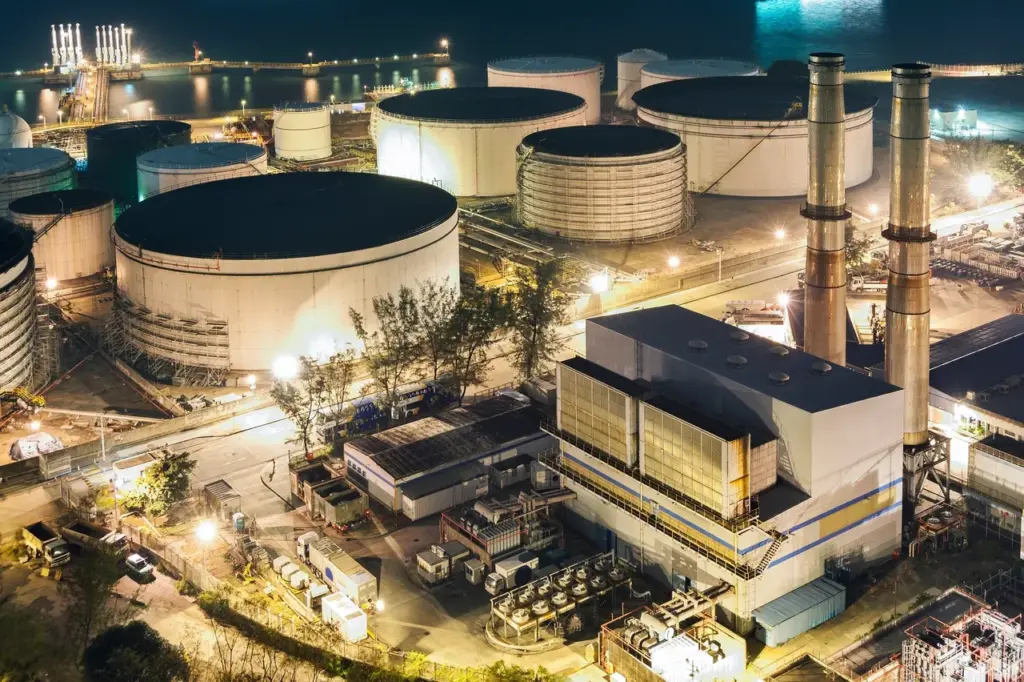
Why Is Now the Perfect Time for Corrosion Protection in UK Chemical Manufacturing?
The UK chemical industry stands at a pivotal moment. As one of the nation’s most vital sectors, contributing billions to the economy and employing tens of thousands, it faces a perfect storm of challenges and opportunities. At the heart of these challenges lies a persistent, costly problem: corrosion.
For businesses looking to protect their critical assets, there has never been a more crucial time to invest in comprehensive corrosion management. Here’s why the conditions are right for prioritising asset protection in the chemical sector.
The Reality of Aging Infrastructure
Walk into many UK chemical facilities and you’ll find equipment and pipelines that have been operating reliably for decades. This longevity is a testament to British engineering, but it also means much of our chemical processing infrastructure is now reaching critical maintenance periods.
Pipelines, storage tanks, reactors, and processing equipment face relentless corrosive attack from the harsh chemicals they handle daily. What was acceptable wear twenty years ago has now accumulated to the point where intervention isn’t just advisable – it’s essential. The question isn’t whether these assets need protection, but how quickly action can be taken.
Regulatory Landscape Demands Action
The regulatory environment has evolved significantly. Environmental and safety standards that were once considered stringent now represent baseline expectations. The Health and Safety Executive, Environment Agency, and other bodies maintain rigorous oversight of chemical operations.
Asset failures caused by corrosion can trigger cascading consequences: chemical releases, environmental contamination, worker safety incidents, production shutdowns, and significant financial penalties. The reputational damage alone can be devastating in an era of social media and instant news cycles.
Forward-thinking chemical companies recognize that investing in corrosion prevention isn’t merely about compliance – it’s about demonstrating responsible stewardship and maintaining their license to operate.
The Energy Transition Creates New Challenges
The chemical industry isn’t standing still. As the UK pursues net-zero targets, chemical manufacturers are at the forefront of innovation: producing green hydrogen, developing sustainable polymers, implementing carbon capture systems, and creating bio-based chemicals.
These emerging technologies often involve more aggressive chemical environments than traditional processes. Hydrogen embrittlement, high-temperature oxidation, and novel corrosive media present challenges that yesterday’s protection methods may not adequately address.
New facilities need corrosion protection designed in from the start, while existing plants adapting to new processes require reassessment of their protection strategies. This transition period creates unprecedented demand for specialised expertise.
Supply Chain Resilience Takes Center Stage
Recent years have taught UK manufacturers hard lessons about resilience. Brexit, the pandemic, and geopolitical tensions exposed vulnerabilities in global supply chains. Chemical companies responded by prioritising operational reliability and reducing dependence on unpredictable external factors.
Unplanned downtime caused by corrosion failures directly undermines resilience. A corroded pipeline that fails unexpectedly can halt production for days or weeks, creating ripple effects through supply chains. Emergency repairs are expensive, disruptive, and often suboptimal.
In contrast, planned corrosion management allows companies to schedule maintenance during optimal windows, maintain continuous operation, and avoid the cascade of problems that follow unexpected failures.
Economic Pressures Amplify The Value Proposition
The UK chemical industry operates in a challenging economic environment. Energy costs remain elevated compared to global competitors. Raw material prices fluctuate. Profit margins face constant pressure.
In this context, every pound spent must deliver clear value. Corrosion management offers exceptional return on investment. Preventing asset degradation costs a fraction of emergency repairs or premature equipment replacement. Extending asset life by even a few years can represent millions in avoided capital expenditure.
Moreover, efficient operations matter more than ever. Corroded equipment operates less efficiently, consuming more energy and producing more waste. Protection measures that optimise performance deliver ongoing operational savings alongside asset preservation.
Bridging The Expertise Gap
The UK faces a well-documented shortage of corrosion engineering specialists. As experienced professionals retire, companies struggle to replace their expertise. University programs produce talented engineers, but corrosion science often receives limited attention in undergraduate curricula.
Many chemical companies, particularly small and medium-sized enterprises, lack dedicated corrosion specialists. They rely on maintenance teams who, while skilled, may not possess deep expertise in the latest protection technologies and assessment methods.
This creates significant opportunity for specialised service providers who can deliver expert corrosion management as a service, allowing companies to access world-class expertise without building entire departments.
The Time To Act Is Now
The convergence of aging infrastructure, regulatory requirements, technological change, economic pressure, and expertise shortages creates an unmistakable imperative. Chemical companies that proactively address corrosion will maintain competitive advantage, operational reliability, and regulatory compliance.
Those that delay face mounting risks: unexpected failures, regulatory intervention, spiraling repair costs, and competitive disadvantage as more agile competitors pull ahead.
The good news? Comprehensive solutions exist.
Modern corrosion management combines proven protective coatings, cathodic protection systems, advanced monitoring technologies, and expert assessment to deliver measurable, lasting results.
For UK chemical manufacturers, the question isn’t whether to invest in corrosion protection. It’s whether to act now, while assets remain serviceable and planning is possible, or later, when emergencies dictate the timeline and costs spiral.
The smart money is on acting now.
Is your chemical facility ready for the challenges ahead? Understanding your current corrosion risk is the first step toward effective protection.